The human body still hides many secrets, despite having been studied in great detail for thousands of years.
Modern medicine and today’s technology have brought impressive discoveries, and some of them only confirm techniques and methods that have been used intuitively since ancient times. One of these is the stimulation of the vagus nerve, which has the ability to keep anxiety under control, give us a state of calm and regulate moods.
Where is the vagus nerve and what are its functions
The vagus nerve is one of 12 pairs of cranial nerves that transmit electrical impulses between the brain and the rest of the body. Cranial nerve 10, also called the vagus nerve, is the longest bundle of nerves, each of them descends on each side of the body, starting from the brain and continuing through the neck, heart, lungs and abdomen, up to the intestine.
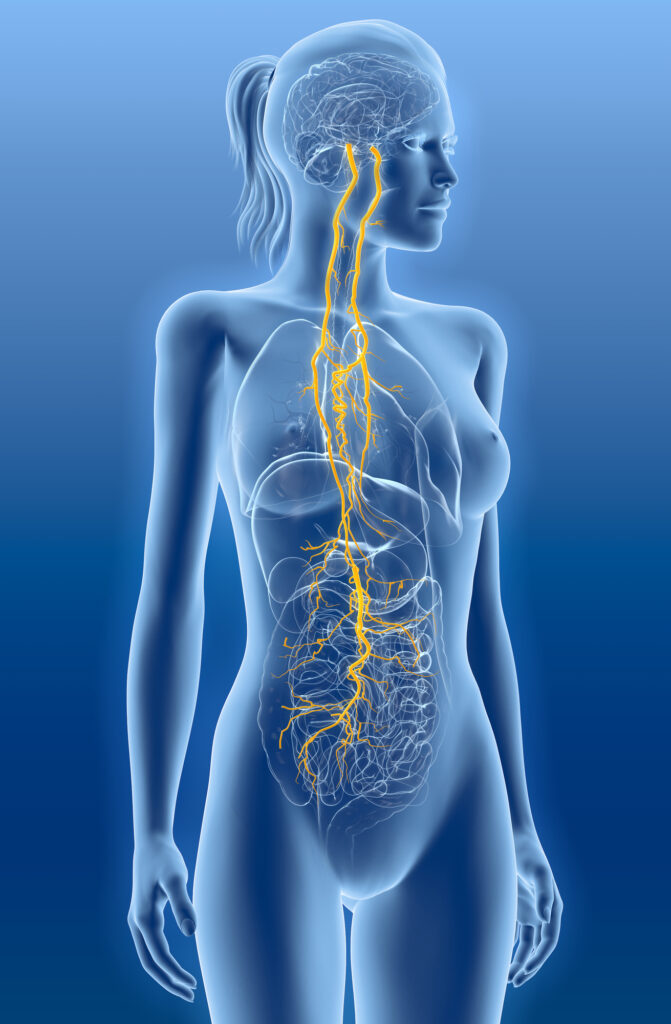
Photo: depositphotos.com
3 spiritual tricks to prolong longevity, recommended by an expert
“Vagus nerve activity lowers heart rate, breathing rate, and blood pressure and helps stimulate parts of the body that need to be active when we are recovering, especially when we are recovering from stress or when we are sleeping,” says psychiatrist and neuroresearcher David Rabin for purewow.com.
This nerve has the ability to regulate the functioning of involuntary organs, such as the stomach or lungs, but also emotional and mental states. Doctor Stanley Rosenberg states in his book «Accessing the Healing Power of the Vagus Nerve» that vagus nerve stimulation therapies have helped treat conditions such as migraines, anxiety or post-traumatic stress syndrome.
How to stimulate the vagus nerve for better health
You know that pleasant feeling you get when you sing or hum a song? According to yoga instructor Melissa West, this pleasant sensation comes from the way these activities stimulate the part of the vagus nerve that runs through the neck area.
When this nerve is stimulated, you will benefit from some immediate effects on your physical and mental state. Stimulation of the parasympathetic nerves reduces the heart rate and the body enters a state of relaxation and recovery, which aids in the healing process.
Artificial intelligence has discovered three substances that can fight the aging of cells responsible for Alzheimer’s or cancer
From a mental and emotional point of view, the effects of vagus nerve stimulation are immediate, says the specialist. “Vagus nerve massage combats the fight-or-flight response of the sympathetic nervous system, so your mind is more focused, clear, and relaxed. It has a calming effect on your emotions, and you will feel emotional balance,” adds West.
How to practice vagus nerve stimulation
Specialists say that the simple habit of massaging the area of the neck through which the vagus nerve passes can help you feel more rested, relaxed and emotionally balanced.
All you have to do is gently massage the sides of your neck, starting from behind your ears. Start by shaking your hands to release tension, then rub your palms together and place them on your abdomen, inhaling and exhaling slowly and deeply. Apply a little massage oil to the palms of your hands and massage the sides of your neck, starting behind your ears and working your way up to your collarbone.
3 seemingly normal habits that actually destroy brain health
Other simple methods help you stimulate the vagus nerve from the inside. Yoga instructor Lucas Rockwood exemplifies in a video tutorial how you can do it, wherever you are. The first method focuses on stimulating the section of the vagus nerve located in the neck area. It is a method used in yoga practice for thousands of years and is called Bhramari. In this case it is necessary to emit a localized sound in the throat which will make the vagus nerve vibrate.
The second method uses breathing to stimulate the vagus nerve. What you need to do is inhale for four seconds, put your chin on your chest and hold your breath for 4 seconds, then lift your chin and exhale for four seconds. This breathing exercise stimulates the section of the vagus nerve located in the diaphragm area.
The third method involves gentle massage of the ears. Grasp each ear between your thumb and forefinger, then perform five gentle circular motions in front and then five in back. This stimulates the vagus nerve that passes behind the ears. You can practice this technique anywhere, whenever you feel stressed or tired.
Photo: depositphotos.com
Latest Posts Published
Head massage: 5 unsuspected benefits
How to overcome anxiety and gain self-confidence
What does sophrology treat? | Discover its advantages and how it can help you?
Acupressure: Acupuncture without needles
Managing negative emotions in 6 steps
How to monitor your sleep quality: apps and devices
8 sophrology exercises to overcome stress
Foot reflexology in Castelginest: relaxation near Toulouse
Positive Attitude: 7 Key Steps to Reduce Stres