Find out how this natural method can help you regain your vitality. Acupressure comes from alternative medicine, with which it is often associated reflexologywhich uses the pressure of the fingers or specific tools to activate certain reflex points of the body. These points, present on the feet, hands and face, are «integration doors» essential for rebalancing the body and relieving tension.
As a reflexotherapist, I invite you to explore this practice to manage stress, release tension, and find deep serenity. This approach is non-invasive and accessible to everyone. I also wrote an article on the benefits of auriculotherapy, link here I also wrote an article on the benefits of auriculotherapy, link here
What is acupressure?
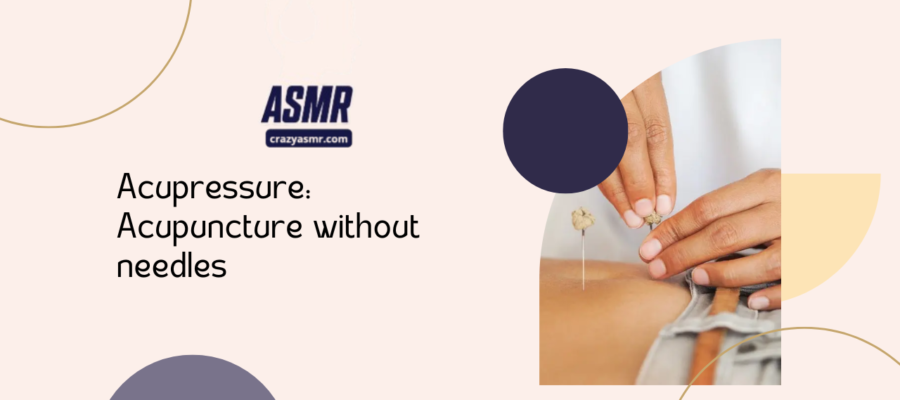
Acupressure or acupressure manual technique which is based on the idea that some reflex zones of our body can directly influence our general well-being. Unlike acupuncture, which uses needles, acupressure is a manual technique that stimulates acupuncture points using gentle, precise finger pressure. This practice, coming from traditional Chinese medicine, helps to release tension and activate the body’s natural self-regulation abilities, awakening vital energy.
How is the acupressure consultation carried out?
It is structured in different phases to adapt to the needs of each person:
- Personalized evaluation : Initial discussion (assessment) to understand your expectations, whether it is to relieve pain or reduce insomnia.
- Point stimulation : Pressures are applied to specific points along the meridians using the fingers, palms, or instruments such as a glass rod or stylus.
- Relax : Breathing and visualization techniques to maximize the effects, feel the positive effect.
- Followed up : self-massage tips to practice at home and exercises to prolong the benefit of the session and work on physical relief.
What is the difference between acupressure and acupuncture?
Similarities
Both approaches rely on Qi to restore energetic harmony. They address similar dysfunctions and advocate a comprehensive approach.
Differences
- Tools : Acupressure uses manual pressure, electrical stimulation, moxibustion, a non-invasive and painless technique, while acupuncture uses invasive needles.
- Practicability : Manual stimulation of the points can be done at home for self-care, while acupuncture requires the presence of a professional.
Is acupressure effective?
Yes, it will allow you to:
- Relieve physical tension : Back pain or headache.
- Reduce anxiety : Emotional release and mental calm.
- Improve your sleep : Helps you find restful rest.
- Restarts blood circulation : Promotes general well-being.
How to practice acupressure at home?
You can practice self-care from home by learning to identify the key points:
- Standing:
- The point located under the arch of the foot (connected to the kidneys) helps eliminate tension and regain emotional balance.
- The t in the center of the heel promotes deep relaxation and sleep disorders.
- In your hands:
- The point between the thumb and forefinger (also called He Gu) is useful for relieving migraines.
- Helps the palm of the hand, pressed in circular motions for about 30 seconds calm the mind.
- On your face:
- The temples, gently massaged, reduce mental fatigue.
- The point between the eyebrows promotes general relaxation.
In reflexology and acupressure, various techniques can be used to optimize relaxation:
- Press force 3-4 with your fingers : To rebalance a specific reflex point.
- Berçage : Gentle movements to calm the body.
- Rotation : Activation of points to increase IQ.
- Elongation : Light stretches to improve circulation and loosen excessively tense muscles.
The benefits of moxibustion
The use of moxibustion is ancestral in the land of the Rising Sun and, often associated with needle-free acupuncture, uses heat to activate specific points on the body. It involves burning dried mugwort (called «moxa») close to the skin to spread gentle, penetrating heat.
An effective approach for:
- Improved blood circulation : The heat promotes better circulation and relieves muscle tension.
- Immune system support : Strengthens natural defenses, spring allergies.
- Stress reduction : A sensation of beneficial warmth that deeply relaxes, improves sleep.
- Chronic pain relief : Useful in case of joint pain such as arthrosis or digestive problems.
This technique is ideal for completing a relaxation or reflexology session for stress and pain management, performed by a certified professional, the use of moxa is mandatory. Do not use on pregnant women, children, fragile people.
How does it work?
Reflex bypasses act as “commands” that affect various organs and functions of the body. The feet, for example, contain areas corresponding to the kidneys, heart or stomach. On the hands, points like the one between the thumb and forefinger (the famous “He Gu”) are effective for relieving stress.
Does self-care really work?
Yes, acupressure is recognized for its benefits on stress, low back pain and sleep. Numerous scientific studies and feedback confirm its effectiveness as a complement to conventional treatments.
How to practice self-massage at home?
You can use your thumbs or index fingers to apply gentle but firm pressure to a reflex area. Maintain stimulation for 30 seconds to 1 minute while breathing deeply. No specific equipment is required.
Where is the stress point located?
A point often used to reduce stress is between the thumb and index finger (He Gu). This easily accessible reflex point can be massaged to calm the mind
Latest Posts Published
Head massage: 5 unsuspected benefits
How to overcome anxiety and gain self-confidence
What does sophrology treat? | Discover its advantages and how it can help you?
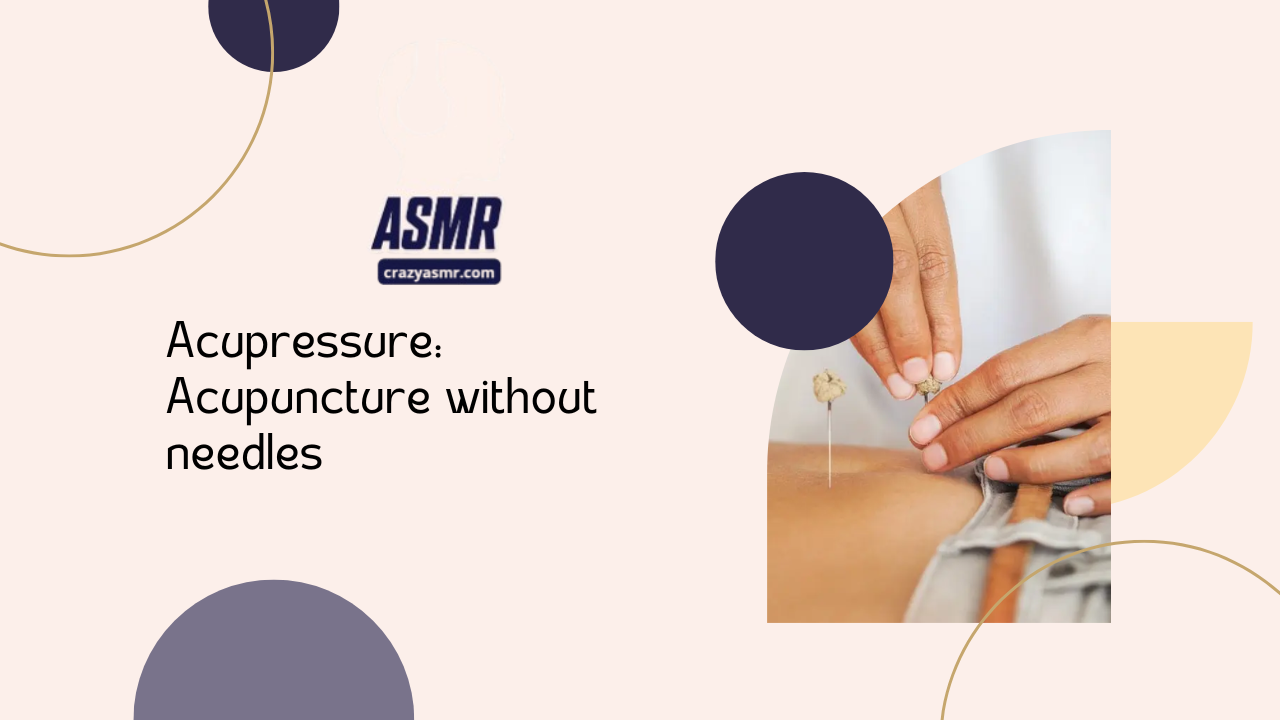
Acupressure: Acupuncture without needles
Managing negative emotions in 6 steps
How to monitor your sleep quality: apps and devices
8 sophrology exercises to overcome stress
Foot reflexology in Castelginest: relaxation near Toulouse
Positive Attitude: 7 Key Steps to Reduce Stres