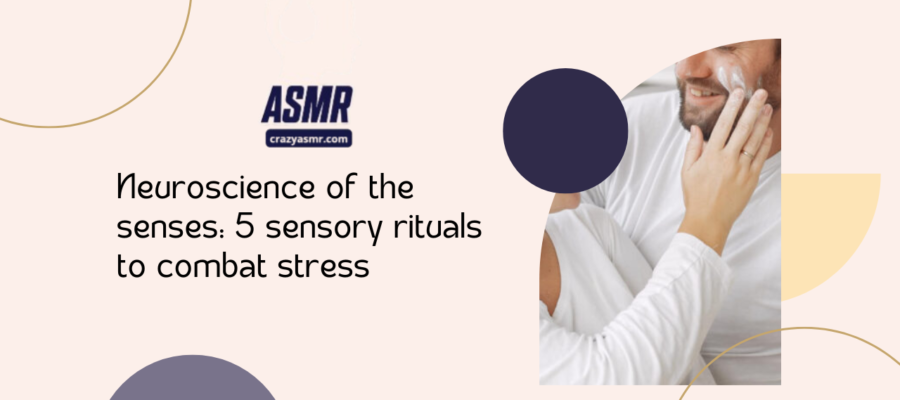
A simple gesture such as a warm bath and the application of a scented body cream can awaken the senses and reduce anxiety.
Thanks to our senses, we can interpret the world around us and also connect with ourselves. Every stimulus, no matter how small it may seem, leads us to the regions of the brain that awaken emotions. Some sensory rituals can immediately calm you down and reduce stress levels.
When the body receives pleasant signals through the senses, such as a soothing aroma or a smooth texture, it sends the message to the brain that we are safe. The following habits can help you reduce muscle tension and free your mind from unnecessary emotional burdens.
1. Enjoy the benefits of aromatherapy
Are you one of those people who feel happy when they smell their favorite fragrance? It is no coincidence, according to experts, smell and aromatherapy can be very useful for reducing stress, because the aromas reach the limbic system almost immediatelythe area of the brain that regulates mood and automatic responses.
A simple ritual to integrate aromatherapy into your routine is to take a relaxing shower right after. Apply a scented men’s body cream (or the corresponding female variant) with your favorite fragrance It deeply hydrates the skin and can become a sensory stimulus that the brain associates with tranquility and self-care.
Some studies have shown that aromas such as lavender, rose, bergamot, chamomile, geranium, grapefruit and sweet orange are effective against stress and tiredness and can even improve the quality of sleep.
You might be interested in: Aromachology: the psychology of aromas
2. Relax your body with mindful touch
Who doesn’t love a good massage after a long day at work? Apply light pressure to the areas where we tend to accumulate more tension (neck, shoulders, jaw or lumbar area) stimulates the release of oxytocin, improving mood.
Two or three minutes of massage with a good body cream or a scented oil on the tense area is enough to awaken the senses. Whether you do it yourself or ask someone else, the targeted touch reduces accumulated stiffness and returns a pleasant sensation of well-being to the body.
3. Calm your mind with visual breaks
Vision sends a large amount of information to the brain and significantly affects stress levels. Working in a messy space, having too bright lighting in your home, spending long hours on the computer or living immersed in visual pollution inevitably affects one’s mood.
Among the most effective sensory rituals for reducing stress, taking yourself visual pauses during the day it is among the most regenerating. For example, you can practice the technique of palming for a couple of minutes: cover your eyes with the palms of your hands to create darkness and allow the eye muscles to relax.
4. Use relaxing sounds to reduce stress
Living surrounded by noise keeps you in a state of alert which raises cortisol levels and prevents you from finding calm in your daily life. Creating quiet auditory spaces, especially in the evening, is a simple way to relax and sleep better.
Lie in bed, turn off the lights, close your eyes and let silence or soft sounds signal your brain that it’s time to rest. Some people prefer nature sounds, others ASMRinstrumental music, guided meditations or total silence.
Read more: White noise: does it help us sleep better?
5. Connect with yourself through mindful breathing
Performing breathing exercises in times of stress is known to help modulate cortisol levels and prevent anxiety from worsening. Pay attention to how the air enters and exits the body, inhaling and exhaling slowly, It slows down your heart rate and releases that internal tension that keeps you alert.
A couple of times a day, dedicate a few minutes to conscious breathing, inhale through your nose for four seconds, hold your breath for two and exhale through your mouth for six seconds. Whatever sensory ritual you choose, the key is to practice it with intention and give your mind the calm it needs.
Thanks to our senses, we can interpret the world around us and also connect with ourselves. Every stimulus, no matter how small it may seem, leads us to the regions of the brain that awaken emotions. Some sensory rituals can immediately calm you down and reduce stress levels.
When the body receives pleasant signals through the senses, such as a soothing aroma or a smooth texture, it sends the message to the brain that we are safe. The following habits can help you reduce muscle tension and free your mind from unnecessary emotional burdens.
1. Enjoy the benefits of aromatherapy
Are you one of those people who feel happy when they smell their favorite fragrance? It is no coincidence, according to experts, smell and aromatherapy can be very useful for reducing stress, because the aromas reach the limbic system almost immediatelythe area of the brain that regulates mood and automatic responses.
A simple ritual to integrate aromatherapy into your routine is to take a relaxing shower right after. Apply a scented men’s body cream (or the corresponding female variant) with your favorite fragrance It deeply hydrates the skin and can become a sensory stimulus that the brain associates with tranquility and self-care.
Some studies have shown that aromas such as lavender, rose, bergamot, chamomile, geranium, grapefruit and sweet orange are effective against stress and tiredness and can even improve the quality of sleep.
You might be interested in: Aromachology: the psychology of aromas
2. Relax your body with mindful touch
Who doesn’t love a good massage after a long day at work? Apply light pressure to the areas where we tend to accumulate more tension (neck, shoulders, jaw or lumbar area) stimulates the release of oxytocin, improving mood.
Two or three minutes of massage with a good body cream or a scented oil on the tense area is enough to awaken the senses. Whether you do it yourself or ask someone else, the targeted touch reduces accumulated stiffness and returns a pleasant sensation of well-being to the body.
3. Calm your mind with visual breaks
Vision sends a large amount of information to the brain and significantly affects stress levels. Working in a messy space, having too bright lighting in your home, spending long hours on the computer or living immersed in visual pollution inevitably affects one’s mood.
Among the most effective sensory rituals for reducing stress, taking yourself visual pauses during the day it is among the most regenerating. For example, you can practice the technique of palming for a couple of minutes: cover your eyes with the palms of your hands to create darkness and allow the eye muscles to relax.
4. Use relaxing sounds to reduce stress
Living surrounded by noise keeps you in a state of alert which raises cortisol levels and prevents you from finding calm in your daily life. Creating quiet auditory spaces, especially in the evening, is a simple way to relax and sleep better.
Lie in bed, turn off the lights, close your eyes and let silence or soft sounds signal your brain that it’s time to rest. Some people prefer nature sounds, others ASMRinstrumental music, guided meditations or total silence.
Read more: White noise: does it help us sleep better?
5. Connect with yourself through mindful breathing
Performing breathing exercises in times of stress is known to help modulate cortisol levels and prevent anxiety from worsening. Pay attention to how the air enters and exits the body, inhaling and exhaling slowly, It slows down your heart rate and releases that internal tension that keeps you alert.
A couple of times a day, dedicate a few minutes to conscious breathing, inhale through your nose for four seconds, hold your breath for two and exhale through your mouth for six seconds. Whatever sensory ritual you choose, the key is to practice it with intention and give your mind the calm it needs.
Latest Posts Published
Head massage: 5 unsuspected benefits
How to overcome anxiety and gain self-confidence
What does sophrology treat? | Discover its advantages and how it can help you?
Acupressure: Acupuncture without needles
Managing negative emotions in 6 steps
How to monitor your sleep quality: apps and devices
8 sophrology exercises to overcome stress
Foot reflexology in Castelginest: relaxation near Toulouse
Positive Attitude: 7 Key Steps to Reduce Stres